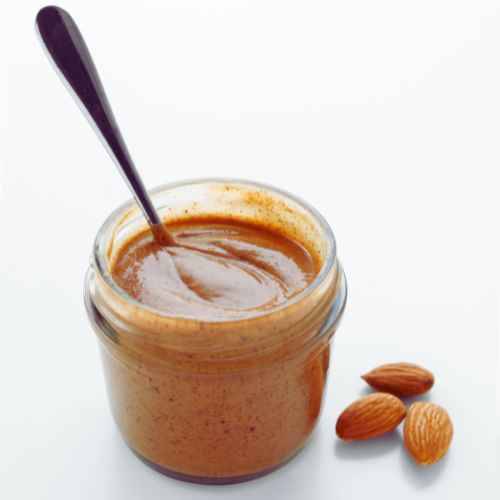
The Many Benefits of Almond Butter

almond butter

Almond butter isn’t just a delicious spread—it’s packed with nutrition, versatility, and health benefits. Whether you’re looking for a protein-packed snack, a heart-friendly addition to your diet, or just a way to jazz up your morning toast, this nut butter fits the bill perfectly. Let’s dig into what makes this nutty spread so special and why it deserves a regular spot in your pantry.

The Nutritional Profile of Almond Butter

More than just a tasty treat—it’s loaded with nutrients that keep your body happy and healthy. Here’s what’s inside:

Rich in Healthy Fats

Packed with monounsaturated fats—these are the “good” fats that support heart health. They help lower bad cholesterol (LDL) while boosting good cholesterol (HDL), giving your heart and arteries some serious TLC.

Protein-Packed Goodness

With approximately 6-7 grams of protein per 2-tablespoon serving, almond butter is a convenient way to increase your protein intake. Whether it’s repairing muscle or fuelling you through a workout, protein is the building block your body relies on.

A Wholesome Mix of Vitamins and Minerals

Every spoonful is a mini multivitamin. It’s rich in:

Vitamin E for glowing skin and strong hair.

Magnesium for muscle function and mental clarity.

Calcium to keep your bones strong.

Potassium to balance fluids and support your heartbeat.

Low in Carbs

If you’re following a low-carb or keto diet, almond butter is a fantastic option. Its balance of fats, protein, and low carbs keeps your energy levels steady without spiking blood sugar.

Health Benefits of Almond Butter

Almond butter’s nutrient-packed profile translates into some impressive health perks. Here are the top benefits you can enjoy.

Better Heart Health

Studies show that almonds can help lower LDL cholesterol and improve overall circulation. Add a couple of tablespoons of almond butter to your day, and you’re giving your cardiovascular system a boost.

Weight Management Winner

Thanks to its protein and fibre content, almond butter keeps you feeling full longer. Spread it on apple slices or dip celery in it for a snack that kills hunger pangs without derailing your diet.

Blood Sugar Support

Almonds have a low glycaemic index, making them ideal for anyone watching their blood sugar levels. Pair it with a complex carb, like whole-grain crackers, to balance energy release and avoid the dreaded afternoon energy slump.

Bone Strength

With its high levels of calcium and magnesium, this is a great way to support your bone health without needing dairy.

Skin and Hair Vitality

Vitamin E, a powerful antioxidant in almonds, helps protect your skin from damage while promoting a natural glow. It’s also great for keeping your hair shiny and strong—who knew snack time could be part of your beauty routine?

Almond Butter in the Kitchen

One of the best parts about almond butter? Its versatility. Whether you eat it straight from the jar (we won’t judge) or incorporate it into recipes, it’s an easy way to upgrade meals and snacks.

Breakfast Ideas

Start your day right by spreading almond butter on whole-grain toast and topping it with banana slices or berries. Or blend a spoonful into your smoothie for creamy texture and a protein boost—perfect after a morning workout.

Quick Snacks

Pair almond butter with apple slices, carrot sticks, or even rice cakes for a quick but satisfying pick-me-up. You can also drizzle it over Greek yoghurt and sprinkle some granola on top.

Baking and Cooking

Swap it for peanut butter in recipes like cookies, muffins, or energy balls. You can even stir it into savoury recipes like salad dressings and Asian-inspired sauces for a rich, nutty flavour.

Perfect for Special Diets

For those avoiding dairy or following vegan diets, almond butter is a fantastic way to add creaminess and flavour to meals without animal products. Try using it as a substitute for butter in baking to keep recipes plant-based.

… vs Other Nut Butters

Almond butter is certainly a standout, but how does it compare to other popular spreads?

… vs Peanut Butter

While peanut butter wins on affordability, almond butter has the edge when it comes to nutrition. It packs more vitamins and minerals (especially Vitamin E) and may be easier on digestion for some.

… vs Cashew Butter

Cashew butter is smoother and sweeter, but almond butter tends to have more protein and less sugar. It’s also a better choice for anyone watching their carb or calorie intake.

The Unique Appeal of Almond Butter

What truly sets almond butter apart is the combination of nutrition, versatility, and accessibility. It’s richly satisfying and works with nearly any meal or snack.

Tips for Choosing and Storing Almond Butter

Want to get the most from your almond butter? Here’s how to pick and store it for a top-notch experience.

Choosing the Right Kind

Look for almond butter that’s just almonds—no added sugars, hydrogenated oils, or artificial ingredients. Better yet, aim for organic brands to avoid pesticides or additives.

Choose our Organic Almond Butter made with just organic almonds and sea salt.

Storage Tips

Natural almond butter can sometimes separate, with oil rising to the top. Store it upside down or give it a good stir before each use. Keep it in the fridge if you want to extend its shelf life, but many people prefer the ease of room-temperature storage for spreading.

DIY Almond Butter

Feeling adventurous? You can make almond butter at home with nothing but almonds and a good food processor. It’s fresher, tastier, and lets you control the texture and flavour entirely.

Things to Consider

While almond butter is packed with benefits, there are a couple of things to keep in mind:

Watch the Calories

With about 190 calories in 2 tablespoons, almond butter is calorie-dense. A little goes a long way!

Allergy Warnings

If you or someone in your family has a tree nut allergy, almond butter may not be a safe option. Always check for cross-contamination warnings, too.

Final Thoughts

Almond butter is the ultimate multitasker. It’s delicious, nutrient-dense, and endlessly adaptable, whether you’re whipping up breakfast, fuelling a workout, or satisfying a snack craving. Give it a try—spread it, bake with it, or dip into it—and discover why this simple spread deserves to be a staple in your kitchen.

What’s the first recipe you’ll try with almond butter? Don’t wait—grab a jar and start experimenting today!

Looking for more natural alternatives to your favourite foods? Check out our range of organic ingredients.

Want to understand more about the impact of pesticides in your food?


This article was reproduced on this site with permission from operafoods.com.au the “Organic Ingredients Suppliers”.
See original article:- The Many Benefits of Almond Butter

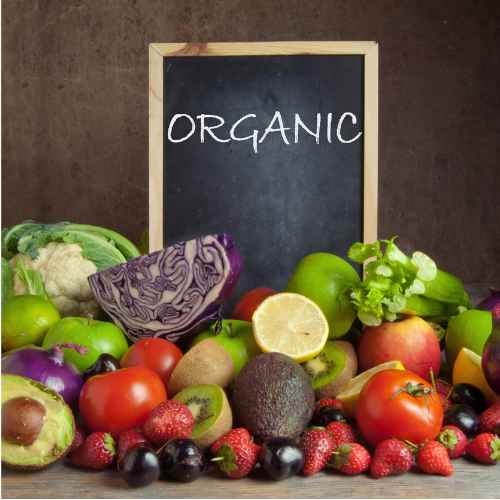
What Is Organic Food, and Why Does It Matter?

what is organic food

Are you curious whether organic food is worth the often higher price tag or whether it’s just another marketing buzzword? If so, you’re not alone. Organics have become a growing part of our everyday food conversations in Australia, with more people paying attention to what they eat and how it’s produced.

This article will examine what organic food is, how it’s produced, the benefits and challenges of going organic, and why it could matter to your health, the planet, and your community. By the end, you’ll have a clear understanding of whether organic is right for you and how to make informed choices when shopping.

What Qualifies as Organic Food?

First things first, what exactly does “organic” mean when it comes to food? Organic food refers to products that have been grown, raised, or produced without the use of synthetic chemicals, such as artificial pesticides, fertilisers, and genetically modified organisms (GMOs). Instead, organic farming focuses on natural methods that work in harmony with the environment.

Certification Standards in Australia

Here in Australia, organic food comes with strict certification standards. If you see labels like “Australian Certified Organic” (ACO) or “NASAA Certified Organic,” it means the product meets rigorous criteria. These standards include:

  • Avoidance of synthetic pesticides and fertilisers.
  • No GMOs.
  • Use of sustainable farming methods.
  • Ethical animal treatment, including access to pasture.

It’s also important to distinguish between “organic” and “natural” products. Natural doesn’t necessarily mean organic. For instance, a product labelled “natural” may not meet the same strict guidelines as “certified organic.” This is not necessarily a bad thing; many ‘natural’ products are far better than their industrially produced counterparts, but ‘organic’ has far more stringent legislation involved.

You can find out more about this distinction in our article on choosing organic groceries.

How Is Organic Food Produced?

Organic farming isn’t just about avoiding chemicals; it’s about creating a balanced agricultural ecosystem. Here’s a closer look at what goes into organic farming.

1. Crop Production

Organic farmers use natural fertilisers, such as compost and manure, to enrich the soil. Crop rotation prevents soil depletion, and cover crops help reduce pest populations naturally. Synthetic herbicides and pesticides are being replaced with methods like introducing beneficial insects and companion planting.

2. Organic Livestock Practices

Animals raised organically are given organic feed and do not receive antibiotics or growth hormones. Livestock must have adequate space to roam in natural conditions, further promoting ethical treatment.

3. Processing Standards

Even after the crops are harvested or animals are raised, organic products have to adhere to strict processing rules, avoiding artificial additives, preservatives, or irradiation.

What Are the Benefits of Organic Food?

Organic food is often praised for its health, environmental, and ethical benefits. But what precisely makes it worth your attention?

Health Benefits

Reduced Exposure to Chemicals

Organic produce generally contains far fewer pesticide residues than conventionally grown goods. This could be particularly important for vulnerable groups, like children or pregnant women.

Potential Nutritional Advantages

Some studies suggest that organic fruits, vegetables, and grains may have higher levels of certain nutrients, including antioxidants and omega-3 fatty acids.

Environmental Impact

Better Soil and Water Quality

Organic farming improves soil fertility and reduces water pollution caused by chemical runoff.

Biodiversity Preservation

By avoiding harmful pesticides, organic farming supports wildlife and plant diversity.

Lower Carbon Footprint

Organic methods, such as composting and reduced reliance on fossil fuels, help cut greenhouse gas emissions.

Ethical and Social Benefits

Supporting Smaller-scale Producers

Buying organic often means supporting smaller, local farms.

Valuing Animal Welfare

Organic livestock practices promote humane treatment of animals.

Common Misconceptions About Organic Food

“It’s Always Healthier”

While organic food often has fewer chemicals, it’s not a guarantee of healthiness. Organic biscuits are still biscuits!

“Organic Can’t Feed the World”

This is a hot debate. Critics argue that lower yields from organic farms make it unsustainable for global food production. However, proponents believe improvements in organic practices could make it scalable.

“All Organic Products Are Eco-Friendly”

Just because it’s organic doesn’t mean it’s zero-impact. For instance, organic avocados imported from halfway around the world still carry a hefty environmental footprint.

Challenges and Criticisms of Organic Food

Despite its advantages, there are challenges to consider.

Cost

Organic food often costs more due to higher labour inputs and certification fees.

Barriers for Farmers

Transitioning to organic farming is expensive and time-consuming, creating hurdles for many farmers.

Greenwashing

Some brands use misleading marketing to label their products as healthier or more sustainable than they really are.

Environmental Trade-offs

Organic farming often has lower yields, requiring more land to produce the same volume as conventional farming.

How to Identify Organic Food

Shopping for organic food can feel overwhelming, but understanding labels can make it easier.

Look for official certification seals like ACO or NASAA.

Pay attention to phrases such as “100% Organic” (completely organic ingredients) versus “Made with Organic Ingredients” (contains some but not all organic elements).

Does Organic Food Really Matter?

The answer depends on your priorities. From a health viewpoint, avoiding synthetic chemicals has clear benefits. Environmentally, organic practices are often better for the planet, but they’re not a cure-all. Economically and socially, conscious choices support sustainable farming and ethical treatment.

Small steps can make a big difference. Even swapping a few key items for organic options, like apples and spinach (often on the “Dirty Dozen” list), can lead to fewer pesticide residues in your diet. Organic store cupboard items may not be as expensive as you may think, as they have a comparatively longer shelf life than fresh produce. This organic kale powder, for example, offers all the nutritional benefits of organic kale but won’t be left wilting at the bottom of the fridge.

The Future of Organic Food

The good news? Organic food is becoming more accessible, with stores across Australia expanding their offerings. Innovations in sustainable practices may help improve the scalability of organic farming. Governments are also working towards making organic certification and regulations more transparent for consumers.

Final Thoughts

Organic food offers a pathway to better health, a cleaner planet, and more ethical food systems—but it’s important to approach it with balance. It’s not about perfection; it’s about making small, informed choices that align with your values and lifestyle.

Start small and grow from there. Whether it’s swapping your regular apples for organic ones or growing herbs on your windowsill, every step counts. After all, better health and a better planet are worth the effort.

Have you explored our range of organic wholesale food?


This article was reproduced on this site with permission from operafoods.com.au the “Organic Groceries Wholesaler”.
See original article:- What Is Organic Food, and Why Does It Matter?

What Are 5 Benefits of Organic Food?

benefits of organic food

If you’ve wandered the aisles of your local grocery store or farmers’ market recently, chances are you’ve noticed the increasing variety of organic options available. From fruits and vegetables to meat, dairy, and snacks, the organic food movement is stronger than ever. But what are the benefits of organic food, and is it worth the investment?

For health-conscious consumers and eco-friendly shoppers alike, organic food offers a range of benefits that go beyond just avoiding pesticides. This article explores five powerful reasons why organic food might just be the better choice for your plate, your planet, and your palate.

A Healthier Nutrient Profile

Studies show that organic produce often has higher concentrations of essential nutrients like vitamins, minerals, and antioxidants than conventionally grown food. For example, research published in the British Journal of Nutrition found that organic fruits and vegetables can have up to 69% more antioxidants, which play a critical role in reducing oxidative stress and protecting your body from chronic diseases.

What causes this boost in nutrients? The secret lies in how organic food is grown. Organic farming emphasizes soil health through natural composting and crop rotation, leading to nutrient-rich soil that produces healthier, nutrient-dense crops. Additionally, since organic plants aren’t treated with synthetic pesticides, they produce more of their natural protective compounds, like antioxidants, to defend against pests.

No Harmful Chemicals

One of the top concerns about our food supply is exposure to harmful chemicals in food. Conventional farming often relies on synthetic pesticides, herbicides, and chemical fertilizers to grow crops. These chemicals can leave residues on your food—even after washing—and may carry long-term health risks.

On the contrary, organic farming prohibits the use of such chemicals. Instead, natural alternatives like compost, organic fertilizers, and biological pest control methods are employed. This means that when you bite into an organic apple or take a sip of organic milk, you can enjoy peace of mind knowing it’s free from harmful residues.

Not only does this benefit your health, but it also helps protect farmers and agricultural workers. By choosing organic food, you’re making a conscious decision to reduce your exposure to toxic substances while supporting safer farming practices for everyone involved.

Find out more in our article ‘Understanding pesticides in our produce’.

Better for the Environment

Organic farming goes beyond personal health. It is also about preserving and restoring the health of the environment. Here’s how organic practices have a positive environmental impact.

Promoting Soil Health

Organic farming builds fertile, nutrient-rich soil by avoiding chemical fertilizers and using crop rotation, cover crops, and composting. Healthy soil, in turn, contributes to better water retention and reduced erosion.

Reducing Pollution

Without chemical pesticides or fertilizers, organic farms produce less pollution. These chemicals, commonly used in conventional farming, often run off into rivers and lakes, harming aquatic life and ecosystems.

Conserving Water

Organic farming methods prioritize water conservation by using techniques like drip irrigation and mulching. This ensures that valuable water resources aren’t wasted.

By choosing organic food, you’re not just making a difference for yourself—you’re also reducing your carbon footprint and advocating for sustainable farming practices. It’s a win-win for people and the planet!

Read more about how choosing organic food promotes sustainable living.

Supports Animal Welfare

Organic farming prioritizes animal welfare, adhering to ethical practices that ensure animals are treated with care and dignity. Here’s what sets organic animal products apart.

  • Animals are provided with access to the outdoors, allowing them to roam and graze freely.
  • They are fed organic diets, free from antibiotics, hormones, and genetically modified organisms (GMOs).
  • Farming practices focus on raising animals in stress-free conditions, minimizing overcrowding and improving their overall quality of life.

For example, organic dairy cows are given outdoor grazing opportunities, ensuring they live healthier, happier lives. Similarly, chickens on organic farms are kept in conditions that allow them to exhibit their natural behaviours, such as scratching and foraging.

By supporting organic farming, you’re helping to raise the standard for animal welfare across the food industry.

It Tastes Better

Last but definitely not least, organic food often tastes better. Many people find that organic fruits and vegetables are richer in flavour, while organic meat and dairy products have a more robust and natural taste.

Why does organic food taste better? One reason could be the absence of synthetic additives that might dull natural flavours. Additionally, organic crops are often grown in smaller batches and harvested at peak ripeness, allowing their full flavors to develop.

If you’ve tasted an organic strawberry bursting with sweetness or sipped on a cup of coffee made from organic beans, you’ll know what we’re talking about. Even picky eaters often notice the superior flavour of organic food and agree that it’s worth the switch.

Make Organic Food a Part of Your Lifestyle

From better health to a cleaner planet, there’s no denying the appeal of organic food. By choosing organic, you invest in food that’s nutrient-rich, ethical, environmentally friendly, and bursting with flavour. Whether you’re browsing the farmers’ market or reviewing labels at your local grocery store, keep these benefits in mind to make more informed choices.

If you’re new to organic food, start small. Experiment with swapping just a few conventional items for their organic alternatives—like replacing your regular apples with organic ones or switching to organic milk. Not only will you taste the difference, but you’ll feel good knowing you’re supporting sustainable practices.

Curious about the best organic food options or how to shop smart on a budget? Stay tuned for more tips and tricks on integrating organic living into your routine. Together, we can make healthier, more eco-friendly choices one meal at a time.

Why not start by exploring our range of organic wholesale food?


This article was reproduced on this site with permission from operafoods.com.au the “Organic Food Wholesalers”.
See original article:- What Are 5 Benefits of Organic Food?