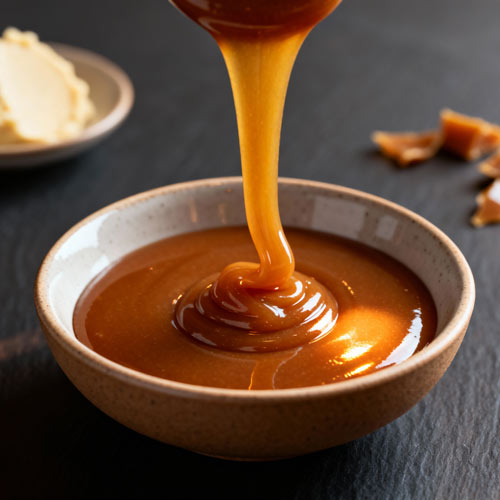
When we work with miso caramel in our kitchens, we’re tapping into something straightforward but transformative: a technique that bridges sweet and savoury with surprising elegance. Whether you’re drizzling it over gelato, swirling it into ice cream, or using it as an accent on plated desserts, understanding the method means you’ll create consistent, professional-quality results every time. This guide walks through the technique, key variations, practical applications, and the storage considerations that matter in commercial settings.
What Makes Miso Caramel Different
We often think of caramel as purely sweet, but miso caramel introduces umami depth that actually amplifies sweetness perception while preventing that cloying richness traditional caramel can sometimes deliver. The shift is subtle but meaningful: instead of just tasting sweeter, the dessert feels more complete, more satisfying.
The beauty of this approach is that we achieve depth through fermented miso paste rather than seasoning salt. That fermentation adds glutamates (the compounds responsible for umami), which work alongside the natural sweetness to create layered flavour. It’s a partnership between ingredients, not a mask over them.
Find out more in our article on creating umami desserts.
The Core Technique: Step by Step
We’ll walk you through creating approximately 400ml of miso caramel with precision and confidence.
What You’ll Need
- 200g caster sugar (granulated white sugar works best; brown sugar’s molasses content burns too easily)
- 100ml water
- 150ml heavy cream (36% milk fat minimum—this matters for smooth emulsification)
- 1–1.5 tbsp miso paste (white (shiro) miso for its clean, delicate umami)
The Method
Step 1: Dissolve the miso into cream first. Before any heat is applied, press miso paste through a fine sieve directly into cold cream. Using the back of a spoon, push the miso through gently until no solids remain. This upfront work prevents lumps in your finished sauce and ensures the miso flavour distributes evenly. Set this mixture aside.
Step 2: Start the sugar with steam. Place sugar in the centre of a heavy-bottomed saucepan. Pour water around the edges (not over the sugar). Cover the pan with a lid and bring to medium heat. The lid is important here: it traps steam, creating a moist environment that dissolves sugar crystals cleanly and prevents crystallization before caramelisation even begins. You’ll see the mixture boil under the lid for approximately 2–3 minutes until the sugar fully dissolves. When you lift the lid, you should see clear liquid without visible crystals.
Step 3: Caramelise without stirring. Remove the lid and leave the heat at medium. From here, don’t stir; swirl gently instead. Stirring disrupts caramelisation and invites crystallization back in. Watch the colour shift from clear to pale gold to deeper amber. These visual changes represent complex chemical reactions developing the characteristic flavour.
Step 4: Monitor colour and temperature. As the caramel darkens, reduce heat to low. The difference between perfectly caramelised and burnt can happen in seconds, so attention matters here. Look for a deep golden-amber colour. If you’re using a thermometer, target 160–180°C (320–360°F). At this point, the sugar has developed rich, earthy complexity without bitterness.
Step 5: Add the cream mixture with intention. Remove the pan from heat. Now add your miso-infused cream slowly, stirring continuously. The mixture will bubble and steam vigorously: this is the emulsification happening in real time, and it’s exactly what you want. Stir with confidence and purpose to blend the cream and caramel into a smooth, unified sauce. If small lumps do form, return to low heat for just 30 seconds whilst stirring to smooth them out.
Step 6: Cool and store properly. Transfer to a clean glass jar or airtight container. Allow it to cool to room temperature before covering. The sauce will thicken slightly as it cools. This is normal behaviour, not a sign of failure.
Total time: Around 15–20 minutes from start to finish.
Variations We Find Useful
Miso Caramel Brittle
When you want textural elements for gelato tops, mousse garnishes, or plated arrangements, miso caramel brittle delivers.
How to make it: Prepare miso caramel using the core method but cook the sugar slightly firmer (to 160°C rather than 180°C). Pour it onto a silicone mat or parchment in a thin, even layer and let it cool completely at room temperature. This typically takes 30–45 minutes. Once hardened, break it into shards or crush it into clusters depending on your application. Store these between parchment layers in an airtight container.
Where it works: Black sesame brittle on vanilla gelato delivers striking visual contrast; crushed brittle stirred into soft ice cream bases adds crunch; shards arranged on plated desserts communicate intentionality and care.
Miso Caramel Swirl (for Gelato)
For gelato operations, creating a ripple effect requires slightly thicker caramel that holds its shape when pulled through.
How to apply it: Prepare the core miso caramel and let it cool to room temperature (it thickens naturally). When layering into your gelato bases, use a swirl tool or spatula to create ribbons just before the mixture fully sets. The slightly-firm caramel holds definition without becoming brittle.
Miso Caramel Drizzle (for Plated Desserts)
For composed plates, you often need a thinner consistency that allows elegant presentation.
How to adjust it: Prepare the core recipe and, if it thickens too much as it cools, gently reheat over low heat or add 1–2 tablespoons of warm cream to achieve a pourable texture. Be careful not to lose the miso integration in this process.
Ingredient Choices & Flexibility
Cream matters: Use heavy cream (36% milk fat minimum) because the fat content is what creates smoothness. If you’re working with dairy-free kitchens, coconut cream from a can works effectively, though the final texture becomes slightly less silky. Oat cream tends to produce grainy results and we don’t recommend it.
Miso variation: White (shiro) miso gives you delicate, subtle umami: ideal as your starting point. If you want to explore deeper, more assertive caramel profiles, darker fermented miso pastes deliver bolder, nuttier depth. Choose based on the intensity you want to achieve with your dessert.
Optional addition: Some kitchens add 1 tablespoon of glucose syrup (mixed with the water) to further inhibit crystallization. It’s optional, but if you’re working in humid environments, it can be helpful.
Without a thermometer: Look for deep amber colour: not dark brown, which signals burning. At proper temperature, a small amount dropped into cold water becomes brittle.
How to Use Miso Caramel in Practice
Miso caramel works across multiple applications: swirled into vanilla, brown butter, or brown sugar gelato; drizzled over finished scoops or piped into éclairs alongside chocolate ganache. In pastry, layer it between chocolate shells and fillings. On contemporary plates, a thin swirl accompanies vanilla panna cotta or simple cakes. You can even bottle it as a take-home condiment for grab-and-go customers.
Storage & Shelf Life: What You Need to Know
Store miso caramel refrigerated in airtight glass jars for 2–3 weeks. The cream content limits shelf life compared to traditional caramel. Don’t exceed 3 weeks. After that, cream begins to separate and miso flavour degrades.
Consistency management: If caramel thickens too much during storage, reheat gently and thin with 1 tablespoon of warm cream at a time. If separation occurs, return it to low heat and whisk vigorously for 1–2 minutes until emulsified again.
Labelling matters: Clearly mark miso caramel as containing dairy (cream), soya (miso), and potentially gluten (depending on miso sourcing). Customer safety comes first.
Scaling reliably: This technique scales well. Double or triple ingredient quantities without issue; just allow slightly longer cooking time for larger sugar volumes. The same temperature targets apply.
Common Challenges & How to Address Them
If caramel becomes grainy: You likely stirred the sugar mixture before boiling or didn’t use enough water. The fix is straightforward: use the lid to trap steam, swirl instead of stir, and ensure adequate water next time.
If caramel tastes burnt or bitter: You cooked past the ideal temperature. The solution: remove from heat at deep amber colour and monitor temperature closely in the final stages.
If sauce separates or curdles after cooling: The temperature difference between hot caramel and cold cream was too extreme, or you didn’t stir consistently as cream was added. Next time, stir continuously as cream enters, and if separation happens, return to low heat and whisk until smooth.
If miso lumps appear in the finished sauce: You skipped the step of dissolving miso through a sieve into cream first. Always do this prep work beforehand. It takes one minute and prevents frustration.
The real key is respecting each step, monitoring temperature carefully, and working deliberately rather than rushing. When you work this way, miso caramel delivers the depth, complexity, and satisfaction that define what you’re working toward: desserts that feel complete, considered, and genuinely umami-forward.
Our Organic Brown Rice Raw White Miso (Genmai Shiro) is the perfect ingredient for your miso caramel. Naturally fermented using traditional techniques, this is miso made with the respect it deserves.
This article was reproduced on this site with permission from operafoods.com.au the “Wholesale Café Suppliers”.
See original article:- The Complete Miso Caramel Technique